The Rabbit Bum Watcher
Yes, I watch rabbit bums for a living.
Not because I wanted to. Not because it’s glamorous. And certainly not because it’s the sort of thing you tell people at dinner parties.
But because rabbit poo doesn’t lie.
Rabbits are experts at disguise. They’ll eat while in pain, hop with a limp, and blink through discomfort with the stoicism of a poker champion.
But their droppings? No filter. No bluff. Just facts in pellet form.
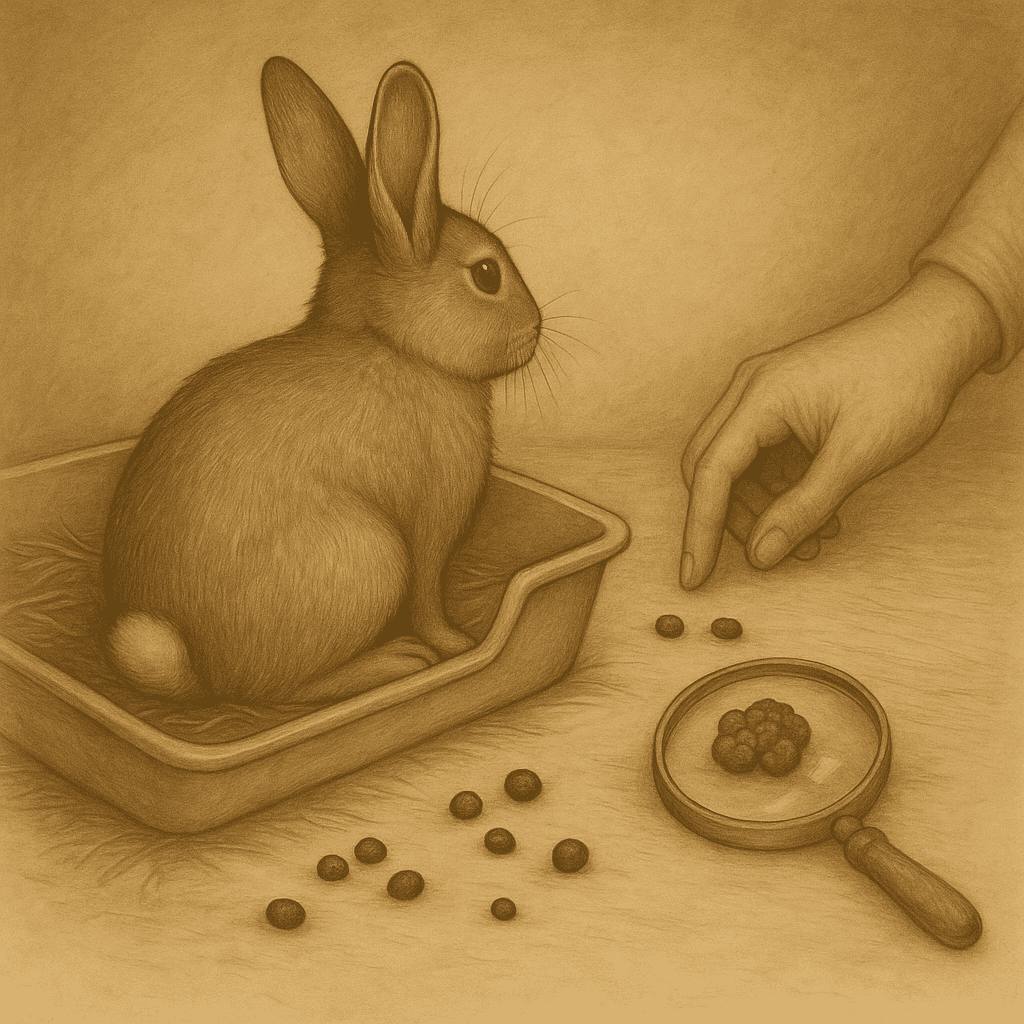
That quiet little heap in the litter tray is a running log of the rabbit’s health, its diet, hydration, gut function, stress levels, even early warnings of disease.
You just have to know how to read it.
In fact, it often tells you the truth before the rabbit does.
Before the tilt. Before the weight loss. Before the sulk.
Before the vet shrugs and says, “We’ll keep him in overnight.”
It’s all there, written in round brown pellets, cécotropes, or worse, the absence of either.
So yes, at Redbeck, we wear the badge proudly: “Rabbit Bum Watcher.”
Because someone has to read what the rabbits won’t say, and more often than not, it starts at the tail end.
Why Rabbit Droppings Matter
Rabbits are prey animals. That means they’re hardwired to hide weakness. But their digestive system? Not so subtle.
If something’s wrong, the gut will usually be the first to show it. And if you know what you’re looking for, a litter tray becomes a live medical record, in little brown pellets.
At Redbeck, we check every tray. Every day. No excuses. Because that humble heap of droppings is often the first sign that something’s off, long before the rabbit lets on.
The Healthy Poop: What It Should Look Like
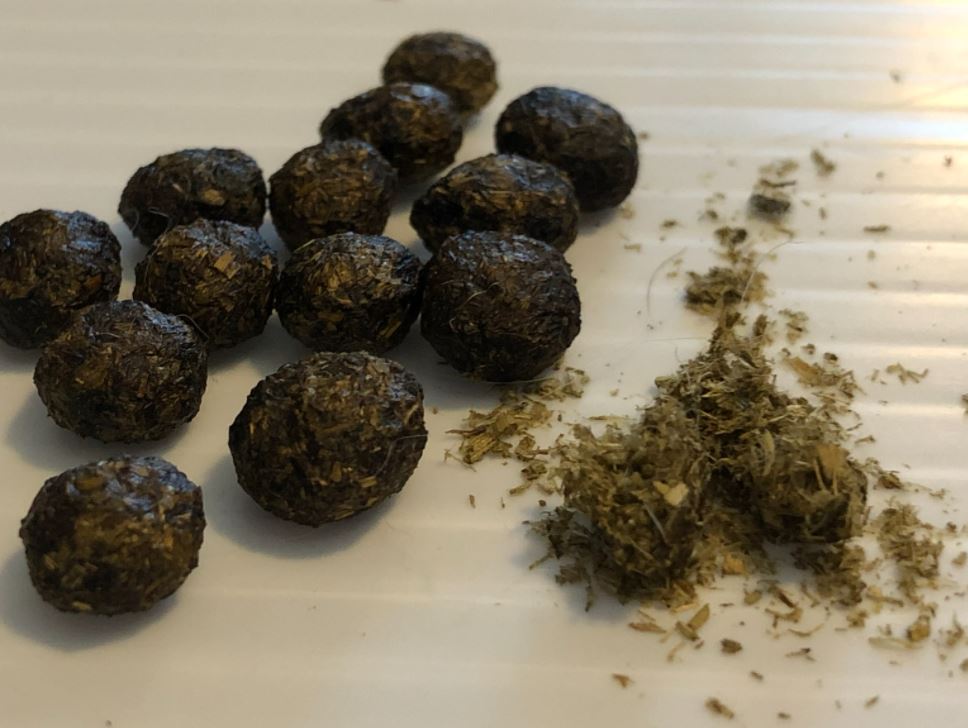
A healthy rabbit dropping is a thing of beauty. No, really.
- Round, not oval, not squashed
- Dry, not sticky or wet
- Crumbly, full of fibrous hay
- Uniform in size and colour
The colour may change slightly depending on diet (darker with greens, lighter with dry hay), but the consistency is what matters. If your rabbit’s droppings are light, fibrous, and plentiful, you’ve got a happy gut.
Warning Signs to Watch For
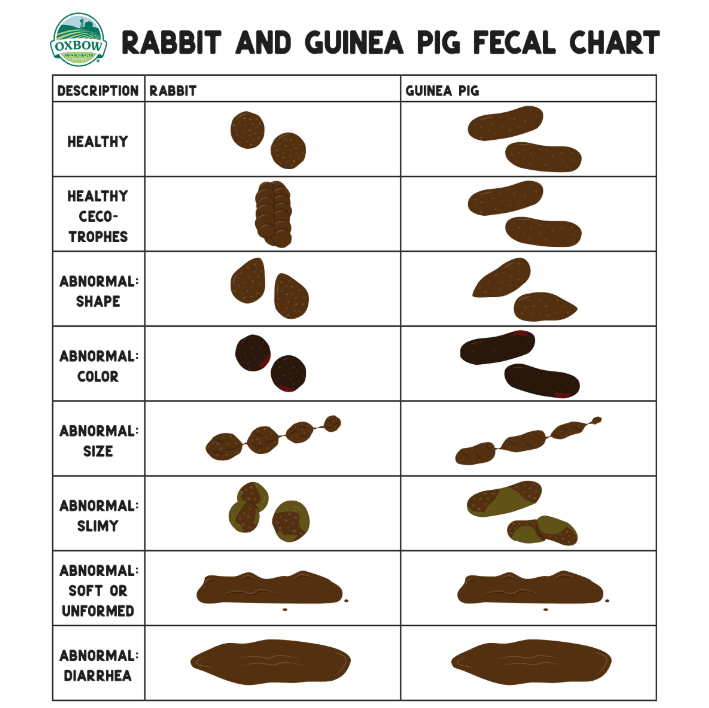
Small Droppings
Usually a sign of stress, pain, or dehydration. This is often the first phase of gut slowdown.
No Droppings
This is not a drill. If your rabbit hasn’t passed anything in 12 hours, you’re in gut stasis territory, and that’s an emergency.
String of Pearls
Droppings linked by hair. Harmless if occasional, but frequent strands mean the rabbit is ingesting too much fur (typically during moulting) and you need to act, brushing and hydration help.
Soft, Misshapen, or Mushy Poos
Not to be confused with caecotrophs (see below). These are true poos that are too wet or misshapen. Usually caused by poor diet, antibiotics, or digestive upset.
Caecotrophs Left Uneaten
These soft, shiny poos are produced once daily and re-eaten to absorb nutrients. If left untouched, it might be:
- Dental issues (can’t reach them)
- Obesity (can’t reach them)
- Poor nutrition (too many pellets or sugar-rich treats)
If caecotrophs are piling up, the gut is unhappy.
Poo Stories from the Field
We once caught a case of stasis before the rabbit showed a single symptom, simply because the droppings had shrunk by 40% overnight.
Another time, a boarder passed perfectly healthy pellets… until one day, they were almost black and half the size. Cue gut stimulant, pain relief, and a 48-hour turnaround.
We weigh poo. No but we do watch, pick up and inspect, we don’t care what people think. It works.
What To Do When You See a Change
If the droppings change in size, shape, texture, or disappear altogether:
- Encourage movement, supervised exercise
- Hydration, offer water, syringe if needed
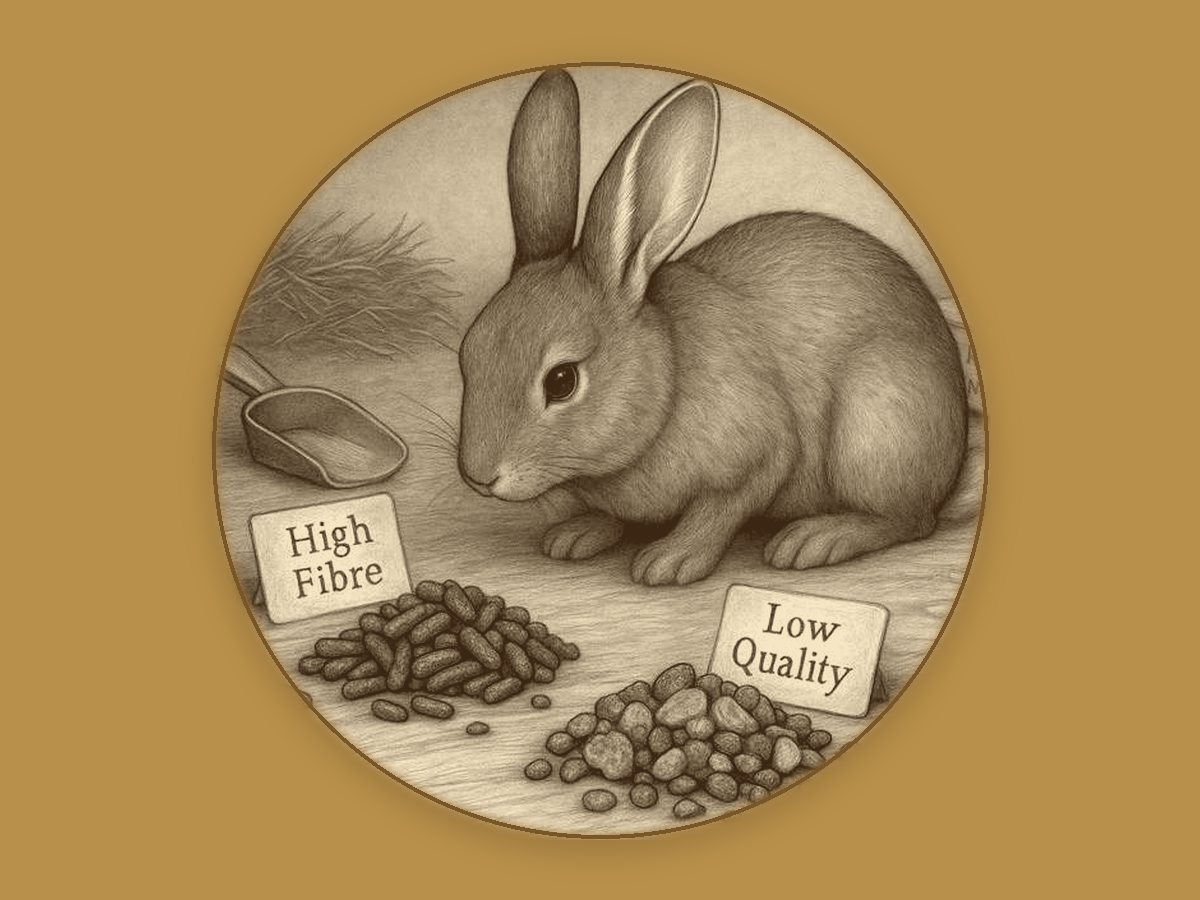
- Hay, hay, and more hay, ditch the pellets
- Monitor closely, 6 to 12-hour window
If nothing improves or droppings stop entirely, it’s vet time.
Final Thought: Laugh If You Like
People might laugh at the idea of weighing poo or watching for droppings.
Until their rabbit stops eating. Until the gut shuts down. Until it’s too late.
Then they’ll wish they’d watched the bum end too.
So yes, I’m a Bunny Bum Watcher. And proud of it. And before you think “in yer,” yes, I even have a microscope. And rabbit poo is absolutely fascinating. 🙂
Because reading droppings doesn’t just save time or vet bills, sometimes, it saves lives.
Further Reading and References:
- House Rabbit Society: Rabbit Health: Digestion and Droppings
Clear explanation of normal rabbit digestion, healthy droppings, and when to worry. - MediRabbit: Gastrointestinal Problems in Rabbits
Detailed guide to understanding changes in rabbit faeces and what they indicate. - The Rabbit Welfare Association and Fund (RWAF): Gut Stasis and Dropping Checks
Trusted UK source on gut health, stasis, and the importance of droppings as an early warning sign. - VCA Animal Hospitals: Gastrointestinal Stasis in Rabbits
Veterinary overview of gut stasis symptoms, including early signs from droppings. - BinkyBunny: Healthy vs Unhealthy Rabbit Poops
Real-world discussion and photo comparisons showing what healthy and unhealthy rabbit droppings look like.
Copyright © Redbeck Rabbit Boarding. This article is free to share with credit. No part may be copied, edited, or republished without permission.